Services
Modaxis provides specialist technical planning consultancy for renewable energy and building projects. Our services support early-stage feasibility, planning applications, stakeholder consultation and technical due diligence.
We provide clear, practical and proportionate advice to help project teams identify constraints, respond to stakeholder requirements and progress developments with confidence.
Glint and glare assessments for solar PV schemes, rooftop solar, building façades and other reflective developments, considering potential effects on aviation, road, rail, residential and other sensitive receptors.
Modaxis can support early-stage screening, planning submissions, layout changes, mitigation advice and stakeholder responses. Assessments are tailored to the project stage, from initial feasibility review through to detailed planning-ready reporting.

Telecommunications impact assessments for wind and building developments, and solar projects where relevant, focusing on potential effects on microwave and UHF point-to-point links. These links can support mobile networks, utilities, emergency services, private operators and other communications infrastructure.
Modaxis can support early-stage screening, link-path review, operator consultation, technical assessment and mitigation advice where required. Early review can help identify constraints before they lead to objections, redesign, planning delays or uncertainty during stakeholder consultation.

Shadow flicker assessments for wind turbine developments, helping project teams understand where moving turbine shadows could theoretically affect nearby homes, workplaces or other sensitive receptors.
Modaxis can support receptor screening, modelling, impact review, planning-ready reporting and mitigation advice where required. Assessments can help respond to planning authority comments, consultee queries or local concerns and provide clear evidence to support project progression.
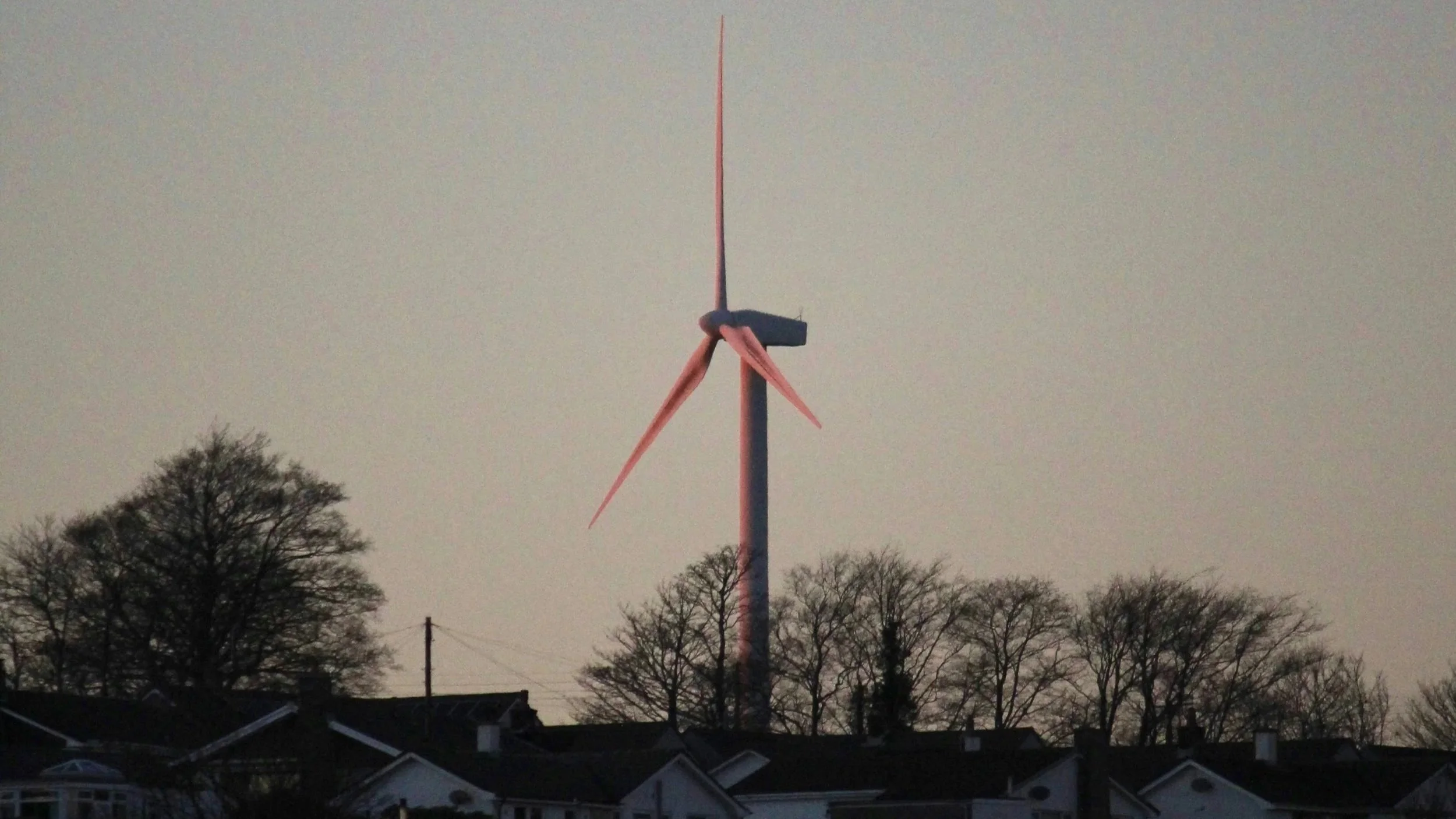
Broadband connectivity assessments for building developments, helping project teams understand whether future residents, occupiers or users can access suitable digital services. Modaxis can review broadband availability, superfast broadband, full fibre infrastructure, FTTP options and relevant planning requirements.
This support can help with planning submissions, condition discharge, technical due diligence and digital connectivity statements. Where appropriate, Modaxis can also identify whether further broadband provider engagement is required.
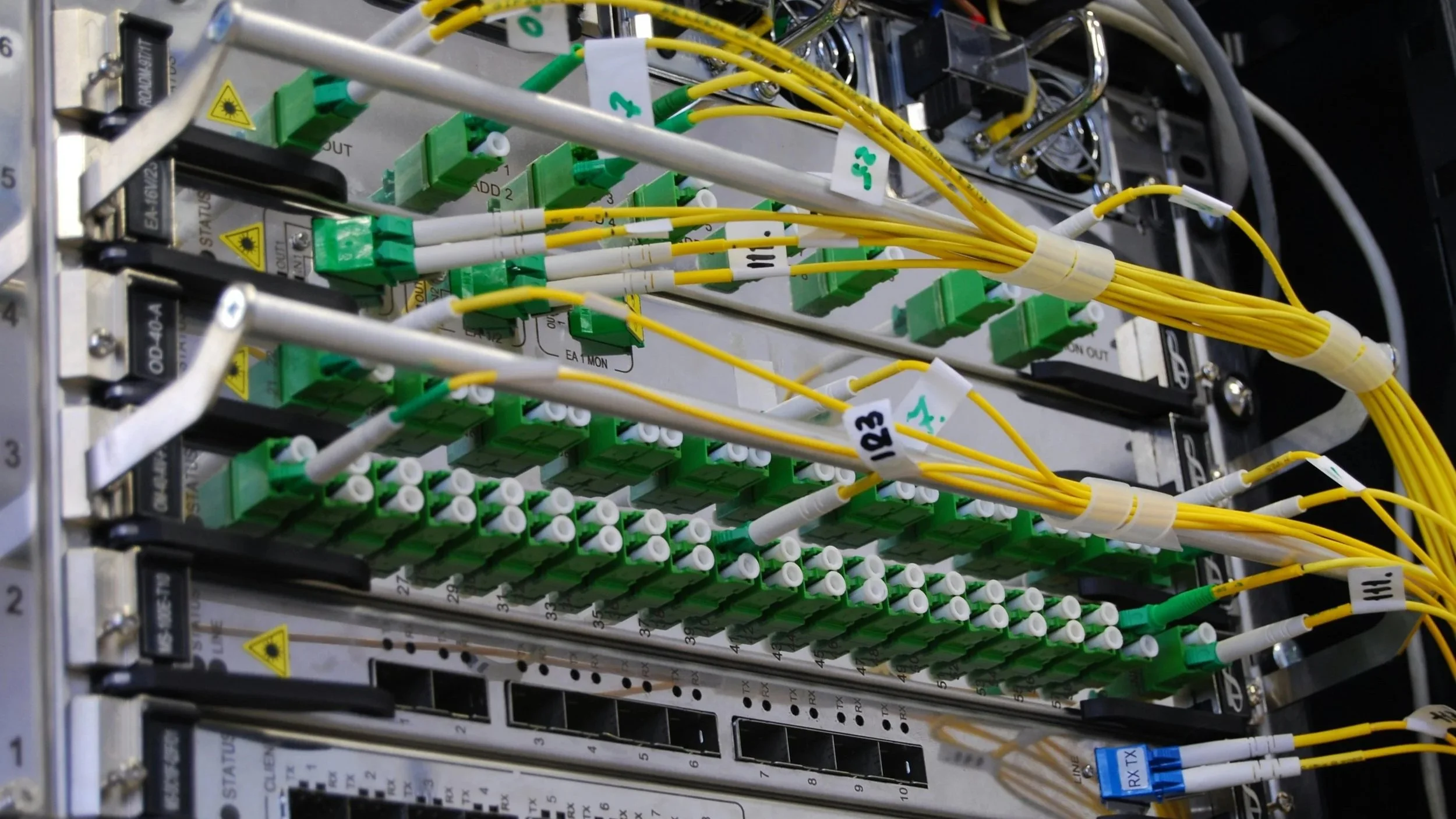
Mobile phone reception surveys for wind and building developments. For wind projects, the focus is usually on whether a proposed development could affect existing mobile reception in the surrounding area. For building projects, the focus is often on future occupier amenity, identifying areas of poor signal during construction or before occupation so that practical connectivity measures can be considered.
Where relevant, building-related surveys can also consider potential effects on existing nearby reception, although this can be less common. Modaxis can support project teams with baseline review, reception surveys, operator coverage review, weak-signal identification and practical recommendations.
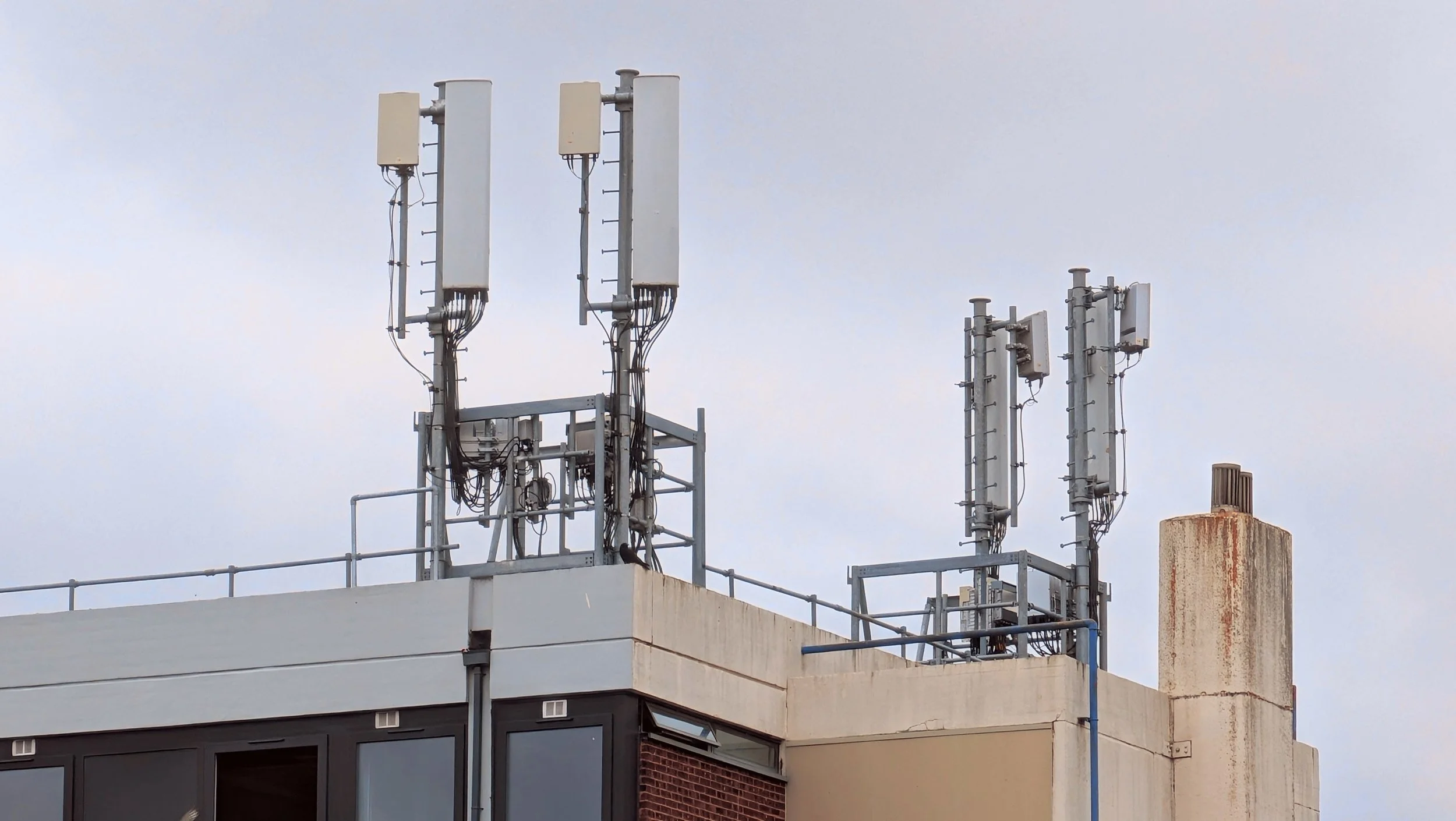
Technical input for Environmental Impact Assessment chapters, scoping responses and planning submissions within Modaxis’ specialist service areas.
Modaxis can provide proportionate technical text, assessment summaries, receptor review, methodology input and responses to project-specific scoping requirements. This support can help planning consultants, EIA coordinators and developers decide whether a topic should be scoped in, scoped out or addressed through a standalone technical report, appendix or planning note.
Support can relate to glint and glare, telecommunications impact, shadow flicker, mobile reception, broadband connectivity and related technical planning constraints.
Technical stakeholder consultation support for developers, planners and project teams where specialist issues need to be explained, evidenced or resolved.
Modaxis can help review consultee comments, prepare technical responses, and support consultation with relevant operators, safeguarding bodies or infrastructure stakeholders.
This support can be useful before submission, during planning determination, after consultee comments are received or where a project is moving towards a hearing, inquiry or examination. The aim is to keep technical issues clear, evidence-led and moving towards resolution.